QuantiFarm Demo Event | Belgium, January 2026
Digital innovation in pig farming – from barn to energy system
On 21 January 2026, QuantiFarm hosted a Demo Event in Belgium, organised by KU Leuven, focusing on Digital Agriculture Technologies (DATSs) for pig farming, with a strong emphasis on animal monitoring and management.
The event brought together 34 participants, including representatives from academia, research institutes, policymakers, and technical experts, creating a focused environment for in-depth discussion and knowledge exchange.
What was demonstrated?
The event began with an introduction to the QuantiFarm project and its mission to assess the real-life impact of digital technologies in agriculture.
Participants then joined a guided tour of TRANSfarm, a state-of-the-art research farming facility, where technologies were showcased across fishery, poultry, pig, and sheep trials.
Technologies demonstrated included:
- – Climate monitoring systems
- – Water quality and water flow monitoring
- – Automated feeding systems
- – Advanced ventilation systems with air washer
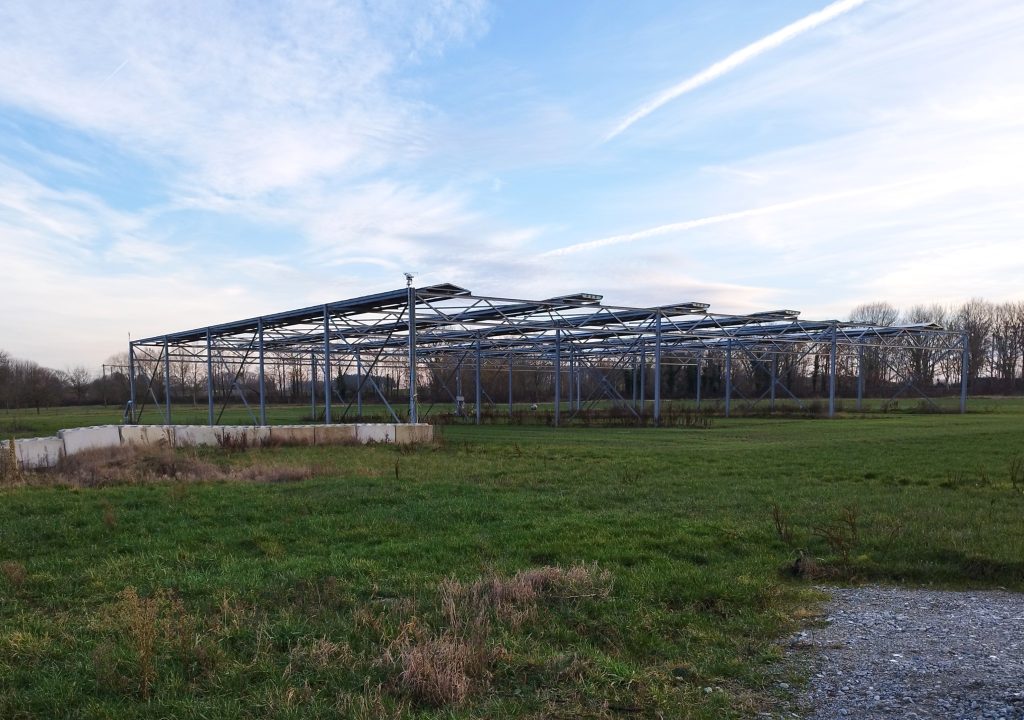
- – Renewable energy systems (solar panels, hydrogen panels, heat pumps, battery packs)
Notably, TRANSfarm’s integrated renewable energy system ensures the facility is not reliant on the electricity grid, highlighting how digitalisation and sustainability can go hand in hand.
Following the tour, the DATSs applied in the pig Test Case were presented:
- – Pig counter
- – Climate monitoring and control system
- – Farm management software
These were demonstrated through images, videos, and applied case explanations from the test farm.
Key Takeaways from Participants
While no immediate implementation plans were expressed, participants showed strong interest in the application, performance, and practical integration of the demonstrated technologies.
Discussions focused on real-life usability, performance under farm conditions, and implementation considerations.
The overall feedback rated the event as Good to Excellent, with no organisational or technical issues reported.
As the farm tour guide noted:
“It’s a pleasure to present the farm to such a large and varied audience that shows clear interest by asking applied questions.”
Looking Ahead
One reflection from the organisers: future events would benefit from engaging a more diverse audience, broadening perspectives on digital technologies in smart farming, and enriching dialogue across stakeholder groups.
Through events like this, QuantiFarm continues to demonstrate how digital tools can be assessed transparently and discussed openly, supporting evidence-based decisions for the future of European livestock farming.